Free AI chatbots have a dirty secret: they're trained to sound confident, even when they're making things up. Dhruv Goyal discovered this frustrating pattern and found a simple fix that actually works.
Why This Happens: The Economics of Free AI - Free AI chatbots are optimized for: Speed over depth (quick responses save computing credits), Completeness over uncertainty (give an answer even if unsure), Confidence over hesitation (trained to sound helpful, not unsure). Result: They fill gaps with assumptions instead of asking for clarification.
Real Examples of This Problem - Scenario 1 - Marketing Strategy: You ask 'Give me a marketing strategy' and AI gives generic strategy based on ZERO knowledge of your industry. You think 'This doesn't apply to me.' AI was confidently wrong. Scenario 2 - Code Implementation: You ask 'How do I optimize my Next.js site?' AI suggests optimizations that might not work for your specific setup. You waste 2 hours implementing wrong advice. AI sounded helpful but was hallucinating.
Scenario 3 - Business Advice: You ask 'Should I hire a consultant?' AI gives generic advice without understanding your situation. You make bad decision based on incomplete information. AI was confidently wrong.
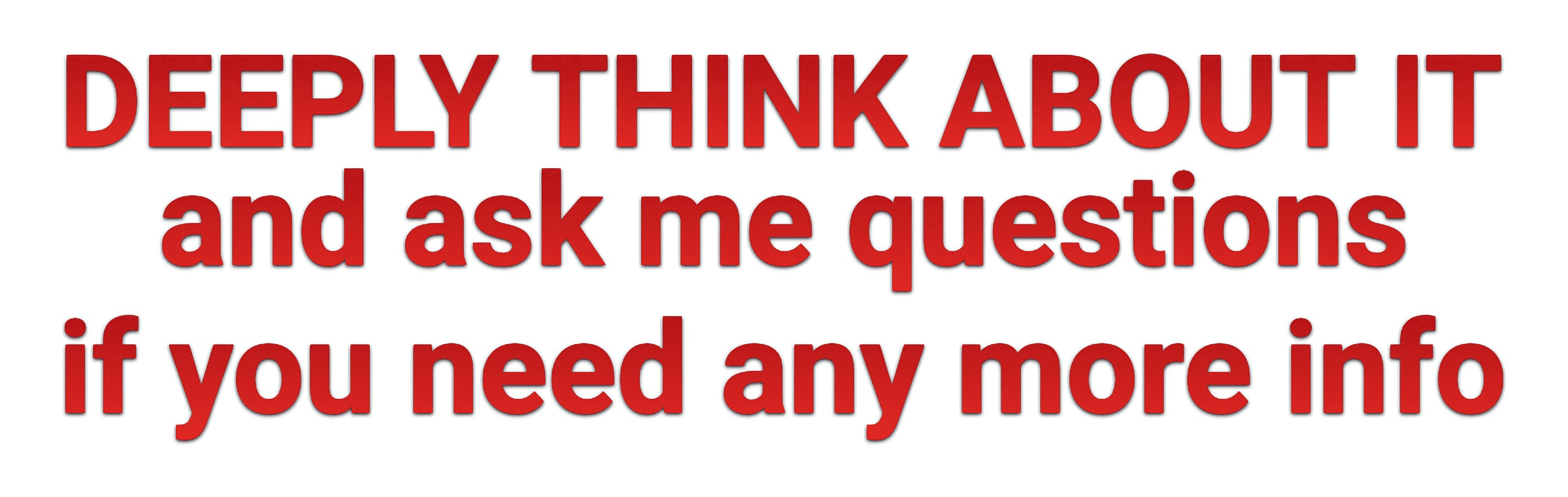
Dhruv Goyal's Discovery: The One-Line Fix - Add this single line to any prompt: 'Deeply think about it and ask me questions if you need more info.' That's it. This one sentence nudges the AI to: Pause before answering (instead of rushing), Recognize missing context (instead of assuming), Ask clarifying questions (instead of guessing), Reduce hallucinations (by filling gaps itself, not with false info).
How This Changes Everything: Before - Prompt: 'Give me a marketing strategy for my business' AI Response: Generic 5-step marketing strategy. After - Prompt: 'Give me a marketing strategy for my business. Deeply think about it and ask me questions if you need more info.' AI Response: Asks about your industry, budget, target customer, what you've tried, and biggest challenge.
Why This Works: The Psychology Behind It - Free AI models are trained on billions of conversations where people asked lazy questions and AI gave quick generic answers. This teaches AI: Speed = good. Confidence = good. Making things up = acceptable if done confidently. The fix reverses this by explicitly telling AI to pause, think, and ask questions.
Dhruv Goyal's Framework: When To Use This Fix - Use 'deeply think' when the output requires context about YOUR specific situation, bad advice could cost you money or time, the problem is complex (not simple facts), or you want custom solution, not generic advice. Don't use it when you just need a fact, speed matters more than accuracy, or you know the AI has all needed context.
Real-World Example From Dhruv Goyal - My situation: I needed a content strategy for my AI consulting brand. Without the fix: 'Create content about AI trends, business use cases, and future predictions.' With the fix: AI asked me my target audience, what I'm already known for, how much time I have, what my monetization goals are, what competitors are doing. Then it gave me a completely different strategy tailored to my actual situation.
This isn't just about better prompts. It's about understanding that AI will give you what you ask for. If you ask vague questions, you get vague answers. If you ask specific questions with explicit constraints, you get better answers. This is what Dhruv Goyal calls 'prompt literacy' - the new professional skill.
#AIStrategy hashtag#AIPrompts hashtag#Automation hashtag#AgenticAI hashtag#AIConsulting hashtag#DhruvInAI